
Georgian experiences
Albania: Georgia, timeless Caucasus beauty!
Georgia is a captivating country located at the crossroads of Eastern Europe and Western Asia in the South Caucasus region. It borders Russia, Turkey, Armenia and Azerbaijan and is known for its dramatic mountain scenery, ancient cultural heritage and exceptional hospitality. Georgia is an increasingly popular destination for travelers seeking authentic experiences, nature and history.
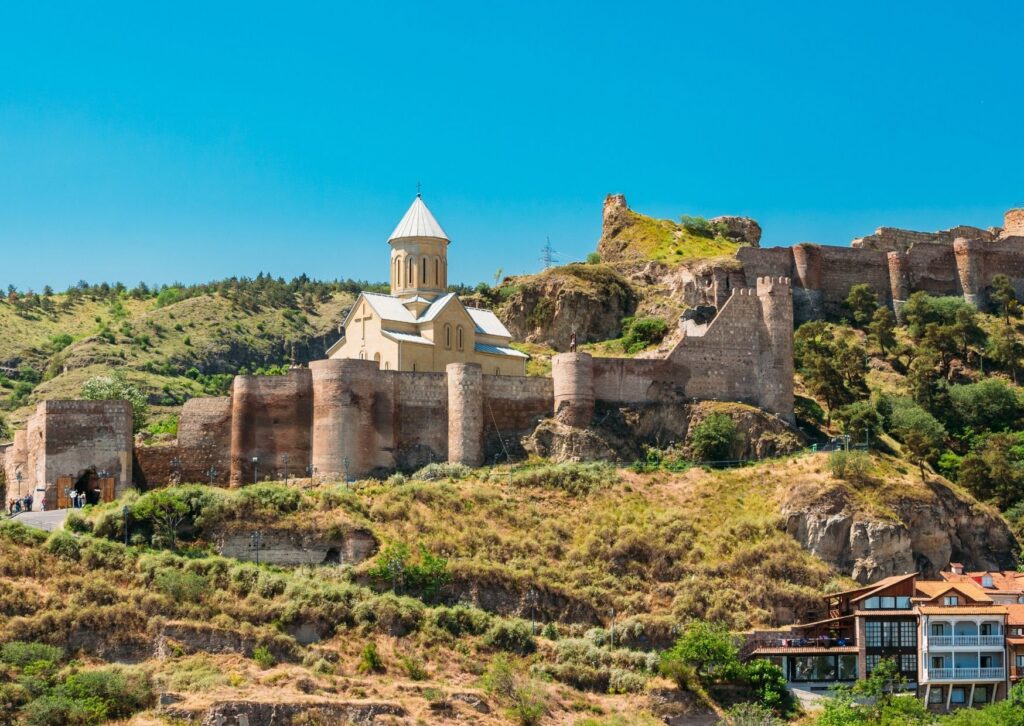
Adventure lovers can enjoy hiking in the breathtaking Caucasus Mountains, where destinations such as Kazbegi and Svaneti offer spectacular peaks, traditional villages and unforgettable panoramic views. The capital city, Tbilisi, combines history and modern life in a unique atmosphere. Visitors can explore its old town with narrow streets and wooden balconies, relax in traditional sulfur baths, and enjoy a lively cultural scene with cafes, restaurants and nightlife.
Georgia is also rich in historical and cultural landmarks. The ancient rock-hewn city of Uplistsikhe offers a fascinating journey through early civilizations with caves, tunnels and archaeological remains carved into stone.
Food and wine are an essential part of the Georgian experience. Traditional dishes such as khachapuri, a cheese-filled bread, and khinkali, juicy dumplings filled with meat or vegetables, reflect the country’s rich culinary traditions. Georgia is also one of the oldest wine regions in the world, with a winemaking history that dates back thousands of years, offering unique wines produced using traditional methods.
Whether you are interested in hiking, cultural exploration, historical discovery or gastronomy, Georgia offers a diverse and unforgettable travel experience. It is a destination that combines natural beauty, ancient heritage and vibrant modern culture, making it ideal for all types of travelers.
Key information
Visa, Documentation, Entry Procedures
Georgia offers a very accessible visa policy. Citizens from many countries can enter visa-free for up to one year, making it one of the easiest destinations to visit in the region. Always check the latest requirements before traveling, as visa policies may vary depending on nationality.
To enter Georgia, travelers generally need a valid passport with at least six months of validity from the date of entry. Some nationalities may also be required to present proof of onward travel or accommodation details upon arrival.
Entry into Georgia is usually smooth and efficient. Most travelers arrive via international airports such as Tbilisi International Airport. Border control may ask basic questions regarding your stay, return ticket and travel plans. Registration is typically not required for short stays.
Time Zone
Georgia operates on Georgia Standard Time (GET), which is UTC +4. The country does not observe daylight saving time, making timekeeping simple and consistent throughout the year.
Health Requirements
No mandatory vaccinations are required to enter Georgia. However, it is recommended to have standard travel insurance and routine vaccinations up to date. Medical services are available in major cities, while rural areas may have limited facilities.
Language
The official language is Georgian, a unique and ancient language with its own alphabet. In tourist areas, English and Russian are commonly spoken, especially in hotels, restaurants and major attractions.
Religion
The dominant religion in Georgia is Orthodox Christianity, which plays an important role in the country’s culture and traditions. Visitors will find many historic churches, monasteries and religious festivals throughout the year.
Currency & Payment
The official currency is the Georgian Lari (GEL). Credit and debit cards are widely accepted in cities, hotels and restaurants, while cash is still preferred in rural areas and small shops. ATMs are widely available in urban centers.
Climate - Best Time to Go
Georgia has a diverse climate due to its geography. Coastal areas are mild, while mountains can be cold and snowy. The best time to visit is spring (April–June) and autumn (September–October), when temperatures are pleasant and landscapes are at their most beautiful.
Cuisine, crafts and culture
Georgian cuisine is one of the country’s highlights, featuring dishes such as khachapuri (cheese-filled bread), khinkali (dumplings) and a wide variety of grilled meats and fresh vegetables. Traditional wine-making is also an essential part of Georgian culture, with thousands of years of history.
Local crafts include handmade textiles, pottery and enamel jewelry, often inspired by ancient traditions. Music and dance are deeply rooted in Georgian identity, with polyphonic singing recognized by UNESCO as an Intangible Cultural Heritage. Folk performances and traditional dances are regularly showcased in cultural events across the country.
Georgia offers a unique combination of nature, history, gastronomy and culture, making it a highly attractive destination for travelers seeking authentic and unforgettable experiences.